What is this, really?
Claude Researcher adds persistent memory to your claude.ai research sessions: a durable record of your projects, the papers you've read, the conversations you've had, and the reasoning that came out of them. The record lives in a private repository on GitHub — think of it as a version-controlled lab notebook that both you and Claude can read and write.
It was built for researchers whose work machines are locked down — no admin rights, no installing developer tools. Everything here runs through the browser: claude.ai on one side, GitHub on the other.
What a session feels like
Suppose you work on coastal adaptation policy. You open claude.ai and start a new chat: "Let's pick up the managed-retreat work." Claude reads your profile and your project's status file, then picks up where you left off: "Last time we ended on the tension between federal buyout efficiency and state-level political feasibility. Did you find the GAO report?"
You paste in a PDF; Claude files it, extracts the text, and indexes a summary against your reading notes. You discuss for an hour. You say "good stopping point," and Claude writes a permanent record of the conversation, updates the status log, and notes what's open for next time. Next week, in a fresh chat, everything is still there.
And the record is cross-linked as it's written: your project's STATUS.md
points into a running RESEARCH_LOG.md, which points to each session's
conversation summary. Months later, it's easy to reconstruct why you made a
decision — and easy to find the original conversation, if you ever need it.
How it works
Three pieces, all in plain sight:
- Two private GitHub repositories, owned by you. One holds your profile and preferences; one holds each research project — papers, notes, conversation records. Private means private: only accounts you authorize can see them.
- A GitHub access token. During setup you create a scoped token and give it to Claude through your claude.ai Project settings. That token is how Claude reads and writes your repositories — it's your key, revocable by you at any time.
- Public workflow instructions. At the start of each session, Claude fetches its working rules from the public claude_researcher repo. Every session runs the same canonical, inspectable playbook — and fixes propagate to everyone automatically.
Setup involves exactly two configuration screens, and Claude walks you through both:
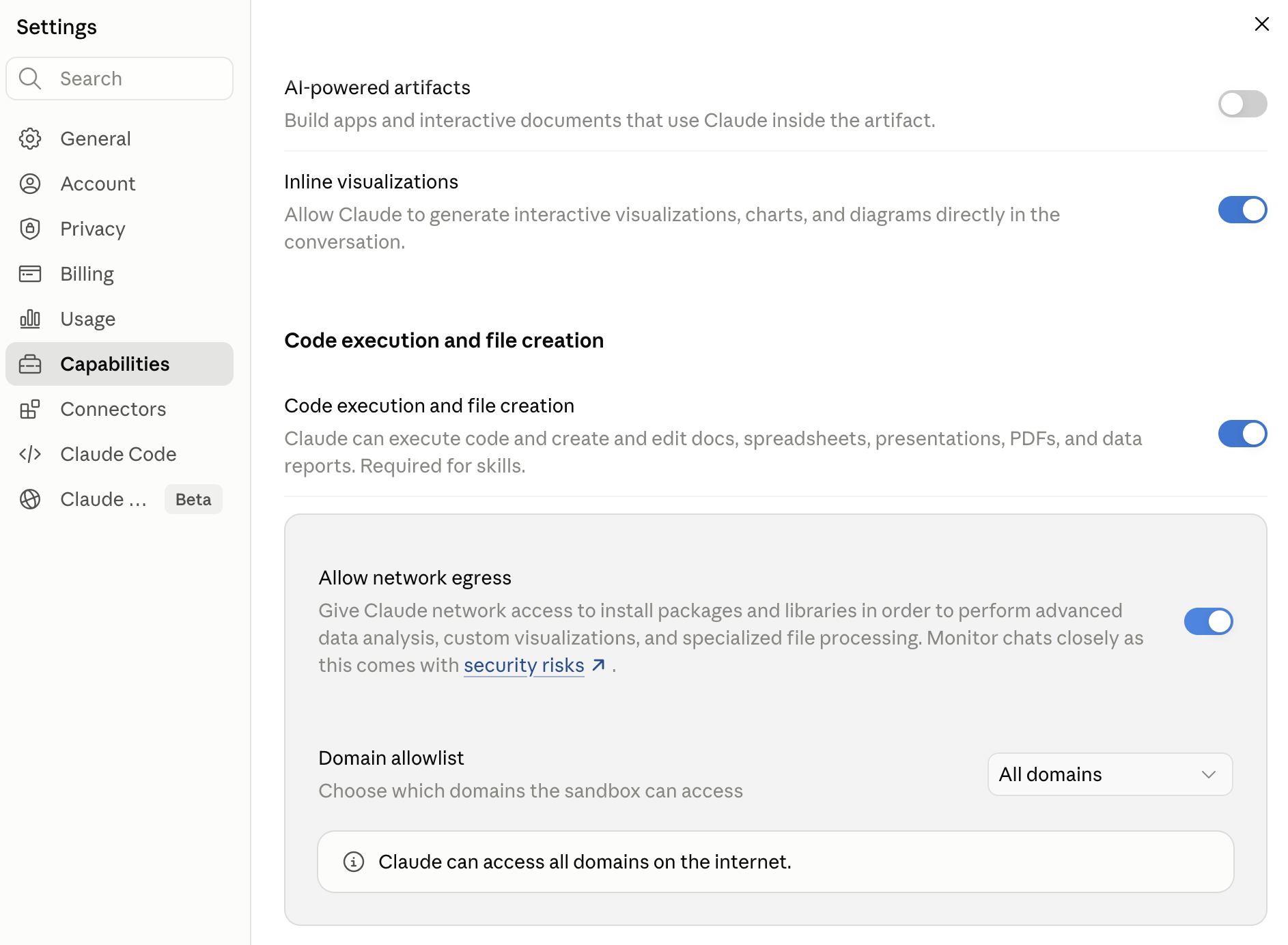
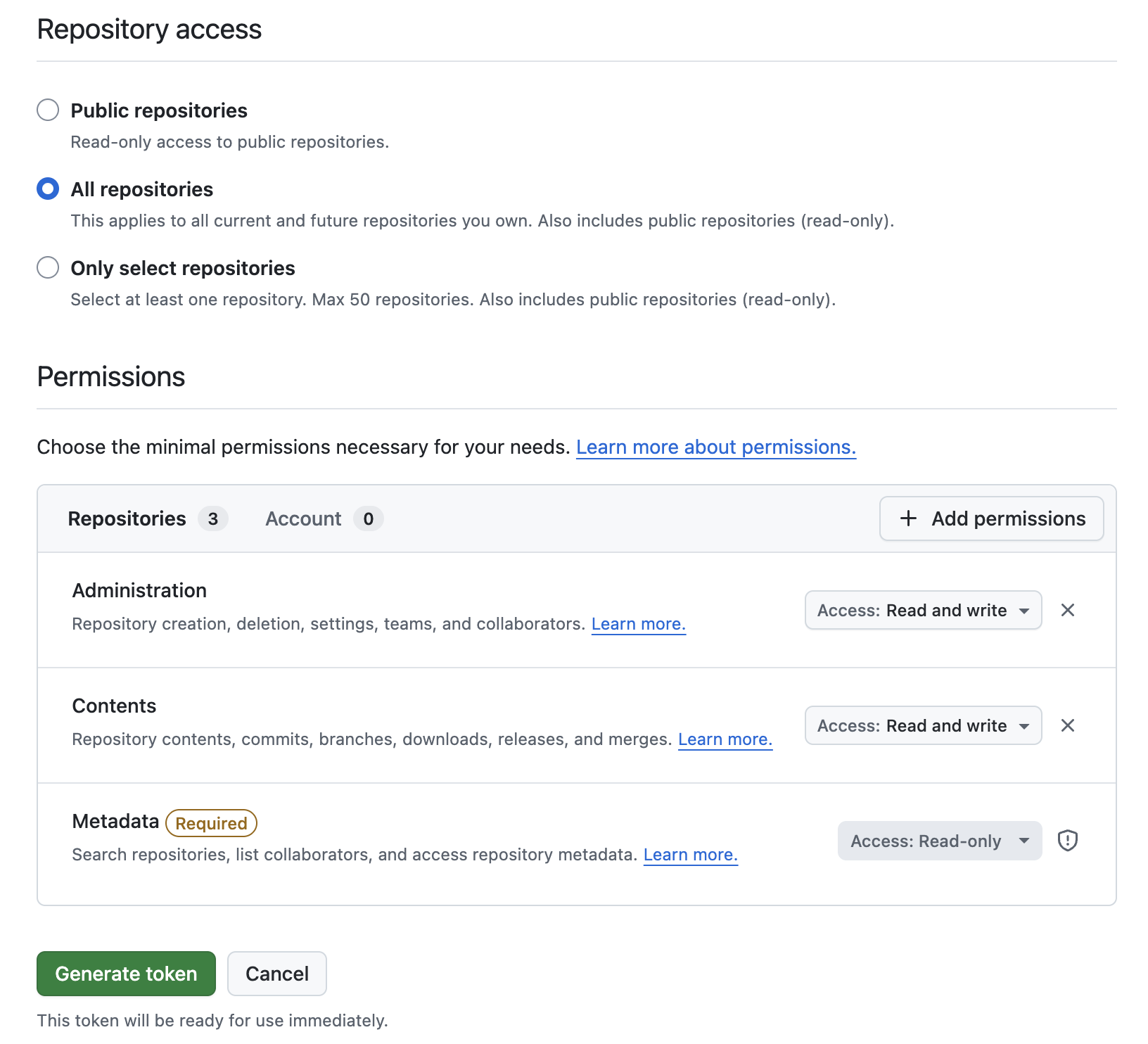
Is my data private?
Yes. Your repositories are private to your GitHub account. The token that grants access exists only in your claude.ai Project settings, and you can revoke it from GitHub at any time. Nothing about this project routes your data through us — there is no server of ours, no analytics, no account with us at all. We literally could not read your work if we wanted to.
And the flip side of that coin: all of the guidelines about how this framework functions are open-source, so you can tell exactly what instructions Claude is getting. The workflow files, the setup script, the skills — all of it sits in the open at github.com/danparshall/claude_researcher. The explainer prompt at the top of this page exists precisely so Claude itself can audit the project for you before you commit to anything.
Who's behind this
Claude Researcher is a collaboration between Dan Parshall (physicist-turned-data-scientist, now working on AI policy at the Canary Institute) and Andrea Lopez-Luzuriaga (economist). It grew out of our own research workflows, and we share it in the hope it's useful to yours.
The project is open source under the Apache 2.0 license. The full source, design notes, and development history are public in the GitHub repository. Found a problem? Ask Claude in any session to file an issue — or open one yourself.